
8 Best Practices for Implementing a POS System (Point of Sale)
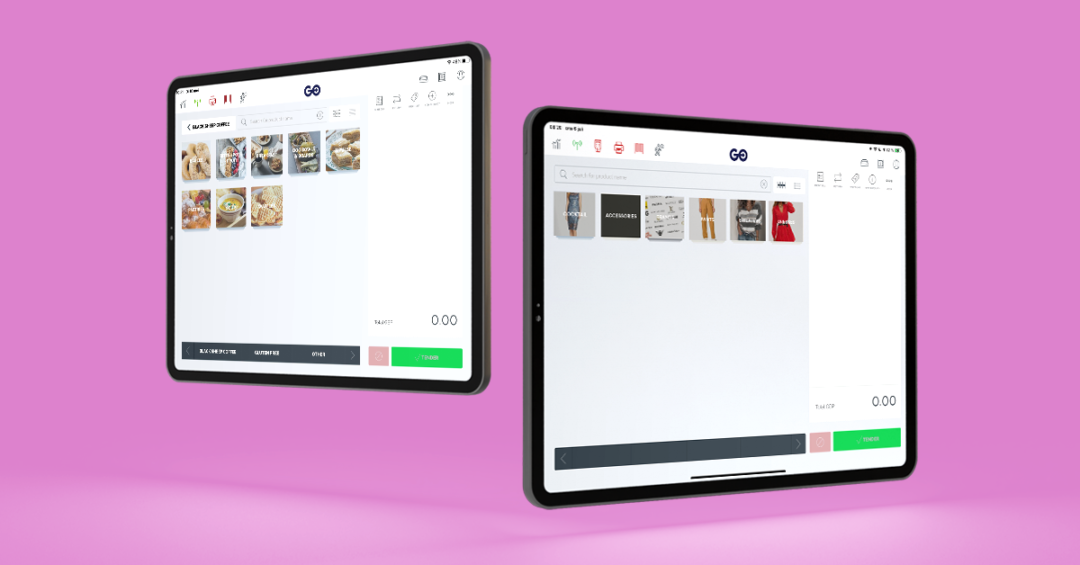
Implementing a new POS system is a significant step for any business.
It's not just about choosing the right system but also about how you integrate it into your daily operations and optimize it for maximum efficiency and growth. This blog will explore best practices for both implementing and optimizing your POS system.
But before that, a quick recap on the definition of Point of Sales (according to Extenda Retail)
What is a POS System or Point of Sale Software?
A Point of Sale (POS) System is the cornerstone of transactions in the modern retail and hospitality industries. At its core, it's a combination of hardware and software designed to process sales and manage operations efficiently. Imagine it as a sophisticated version of a traditional cash register, combined with tools that offer much more.
For small business owners, a retail POS system is like a digital assistant that streamlines daily tasks. It handles sales transactions, tracks inventory, manages employee shifts, and even analyzes sales data to offer insights into your business performance. This technology moves beyond mere transaction handling; it's an ecosystem that helps you understand your business better and make informed decisions.
In an age where customer experience and efficient service are paramount, a POS system becomes not just a tool for managing sales but an integral part of your business strategy. It's about making your business operations smoother, your data more accessible, and your customer interactions more meaningful.
With this small recap, let's move forward with the subject of this blog.
8 Best Practices for Implementing a POS System (Point of Sale)
Step 1: Careful Planning of the Implementation
Start with a clear plan. Define your objectives, set a timeline, and allocate resources. Consider the specific needs of your business and how the POS system will address them. A well-thought-out plan ensures a smoother transition and helps avoid potential disruptions to your business.
Step 2: Providing Adequate Training for Your Staff
Training is crucial. Ensure that your team understands how to use the new system. This includes not just the basics of processing transactions but also understanding advanced features and troubleshooting common issues. Well-trained staff will be more confident and efficient in using the system.
Step 3: Testing Before Full-Scale Launch
Conduct a trial run of the system before fully integrating it into your business. This testing phase allows you to identify and address any issues or gaps in the system. It’s a crucial step to ensure that everything runs smoothly when you go live.
Step 4: Monitoring and Gathering Feedback
Once the system is up and running, continuously monitor its performance. Gather feedback from your staff and customers. This feedback is invaluable for understanding what's working well and what needs improvement.
Step 5: Regular Updates and Maintenance
Keep your system up-to-date. Regular updates often include new features and security enhancements. Also, ensure regular maintenance to prevent any potential system failures or downtimes.
Step 6: Utilizing Analytics for Business Insights
Most POS systems come with analytics capabilities. Use this data to gain insights into sales trends, inventory management, and customer behavior. This information can guide your business decisions and strategies.
Step 7: Continuous Training on New Features
As your POS system evolves, so should your knowledge and that of your staff.
Stay informed about new features and updates. Provide ongoing training to your team to ensure they can leverage these new capabilities effectively. This keeps your operations efficient and your team empowered.
Step 8: Ensuring Robust Security Measures
Security is paramount. Ensure that your POS system is compliant with industry standards and that your customer's data is protected. Regularly review and update your security measures to safeguard against potential threats.
Conclusion
Implementing and optimizing a POS system is an ongoing journey. It involves careful planning, regular updates, and a willingness to adapt and learn.
By following these best practices, your POS system will not only be a tool for transactions but a pivotal part of your business growth and customer satisfaction strategy.